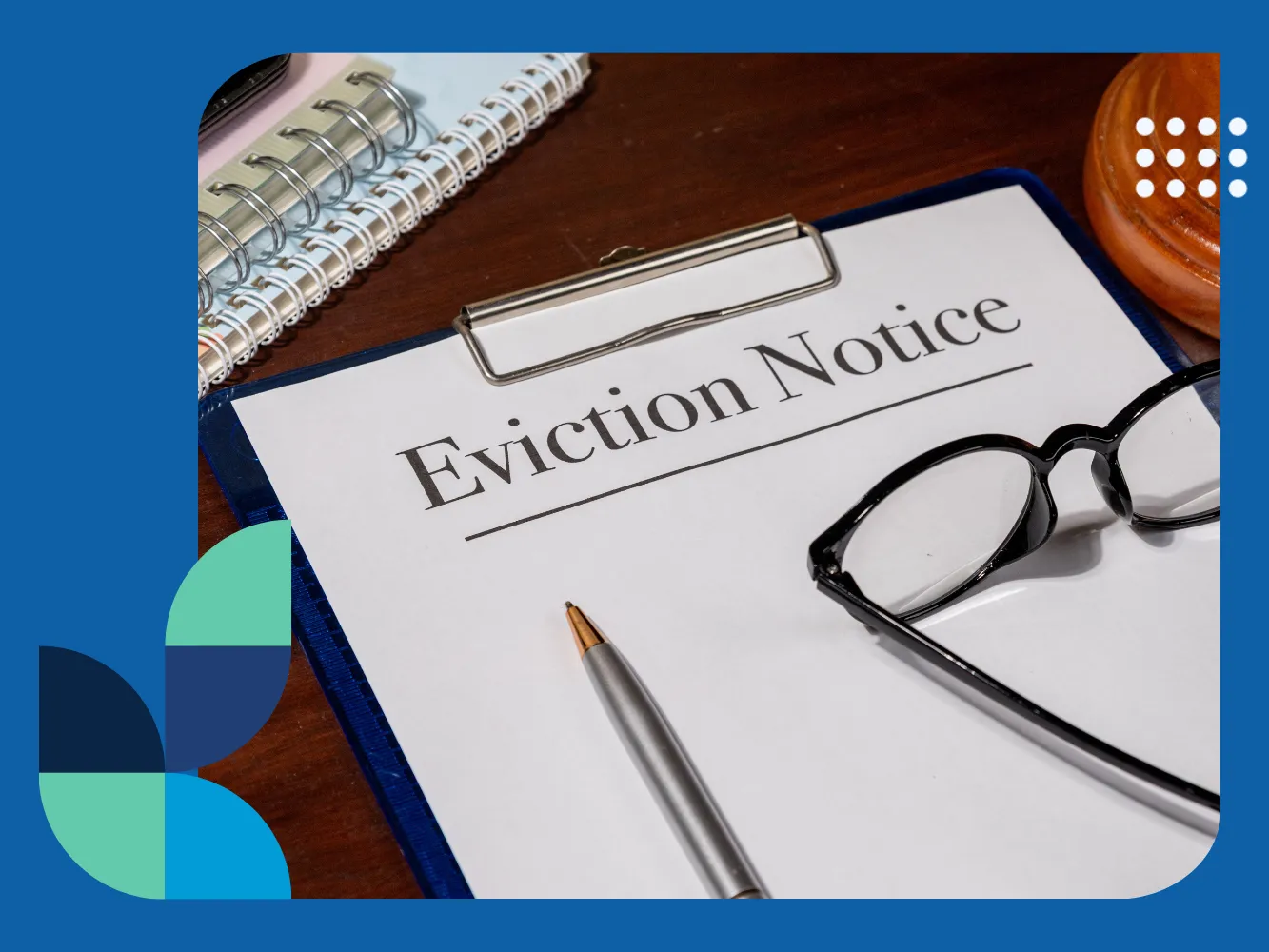
Evictions are more than paperwork. They are regulated legal events that protect ownership rights and limit liability. They also document a clear and lawful path to repossession. When executed correctly, a valid eviction notice reduces risk, accelerates compliance, and strengthens your position if the process reaches court.


If you are asking, “how do I evict someone from my house,” it usually means a difficult situation has reached a breaking point. Eviction is rarely a landlord’s first choice, but when rent goes unpaid, lease terms are violated, or an occupant refuses to leave, understanding the proper legal process is essential.

A tenant welcome letter is a small but powerful part of the move in process. While often overlooked, a clear and thoughtful tenant welcome letter helps establish trust, reduce early confusion, and set expectations in a way that feels supportive rather than formal.


Strong landlord tenant relations are one of the most overlooked drivers of long term rental success. When landlords and tenants communicate clearly, respect boundaries, and follow consistent processes, properties run smoothly, disputes decrease, and turnover drops.

Every tenant you approve brings either stability or risk to your rental business. A reliable tenant protects your property, pays rent on time, and supports long-term financial stability. A high-risk tenant can lead to months of unpaid rent, expensive legal action, property damage, and stress that could have been avoided.

When you’re a landlord, missed rent payments are more than an inconvenience — they’re a direct threat to your cash flow, your mortgage obligations, and potentially even your legal standing.

The property is the same, but the strategy changes everything. You could rent it nightly and run it like a micro-hotel, or lease it yearly and treat it like a business that runs itself. The choice between a short-term rental vs a long-term rental isn’t about which one is “better.” It’s about which one matches your goals, your time, and your appetite for management.

If you’re wondering how to manage a rental property, know that it isn’t just about collecting rent and reacting to problems. It’s about creating a well‑oiled system that protects your investment, keeps residents satisfied, and steadily builds wealth over time.

A new lease starts before the keys ever change hands. The move-in process is your tenant’s first real experience living in the space, and it sets the tone for everything that follows. If you want to avoid misunderstandings, complaints, or expensive mistakes down the road, it starts with a smart, structured approach.

Taking the DIY approach without proper guidance can lead to costly missteps, which is why learning how to manage a rental property yourself—correctly and confidently—is critical to protecting your investment.

Managing rental property remotely isn’t just possible today; it’s efficient, scalable, and often preferable. Whether you live in another city or another state or spend part of the year elsewhere, you can stay entirely in control of your investment without being physically present.

In property management, communication is key to maintaining a harmonious relationship between landlords and tenants. This guide offers a detailed exploration of how to write a rent increase letter that is clear, respectful, and legally sound.

Evaluating a multifamily investment property requires thoroughly understanding metrics, market conditions, and property-specific factors. In this comprehensive guide on how to evaluate a multifamily investment property, we’ll break down each of these crucial elements step by step.

Multifamily real estate investing has long been a proven path to building wealth, creating steady cash flow, and achieving financial freedom.
This guide is for those who are serious about learning how to invest in multifamily real estate and want more than just surface-level advice.

Small multifamily properties—like duplexes, triplexes, and fourplexes—are often seen as the sweet spot of real estate investing. These properties blend the best of both worlds, making them versatile investments that adapt to different market conditions.

In rental properties, appliances aren’t just conveniences—they’re opportunities to increase revenue, boost resident satisfaction, and reduce long-term costs. Providing the right appliances can significantly impact your investment’s profitability.

Renovating your rental property is a proven strategy to drive substantial returns. Upgrades can directly increase rental income, while boosting property value even further, especially when modernizing key areas like kitchens and bathrooms.

Managing rent adjustments can be complex, whether you’re handling it on your own or aiming to optimize your investment returns. We’ll cover practical strategies to ensure your rent increases are fair, justified, and well-received by residents, keeping your rental income steady and your property competitive.

As 2024 draws to a close, the real estate market is navigating a complex landscape marked by shifting economic signals and evolving investor sentiment. The Federal Reserve’s recent decision to cut the federal funds rate by 50 basis points, bringing it down to 4.75% – 5%, signals a strategic pivot to stimulate growth amidst cooling inflation.

With over 45 million rental units in the U.S., real estate investment offers boundless opportunities—but the right type of rental property for you depends entirely on your unique situation. Your capital, investment strategy, long-term goals, and risk tolerance, all play a crucial role in determining the best fit.


Inc. 5000 List

Inc. Best Workplaces

5-Star Reviews
4.6+ Average in 2025

Premier Locations

Company


PURE Property Management holds real estate brokerage licenses in multiple states.
CA DRE #02124826 · View our State Licenses
Privacy Policy · Terms of Use · Accessibility Statement · Fair Housing Statement


