
Raising the rent on a resident is a normal part of managing a rental property, but it must be done the right way. A rent increase notice is not just a courtesy; it is a legal requirement in most states. If it is unclear, sent too late, or missing key information, the increase may not hold up legally and can create unnecessary tension with your resident.


Buying rental property out of state used to be considered risky, bold, or even reckless. Today, it is one of the most common strategies among both new and experienced investors, not because it is trendy, but because it often makes more financial sense than buying locally.

Buying your first rental property is a significant milestone. It’s part financial move, part identity shift, and part trial by fire. You’re not just becoming a homeowner. You’re stepping into the role of investor, operator, and strategist.

Most investors learn early that money helps—but structure wins. The truth is, you don’t need piles of cash to grow a real estate portfolio. You need a strategy.


Buying rental property is one of the smartest wealth-building moves you can make, but owning it under your personal name can also be one of the riskiest. That’s why many investors choose to buy rental property with an LLC.

Buying a rental with no money down isn’t a loophole or a fantasy. It’s a disciplined process built on leverage, trust, and math. This guide breaks it down step by step so you can start responsibly, grow sustainably, and own strategically.

Mortgage payments might feel like the biggest bite, but they’re only part of the picture. The real challenge is managing everything else: repairs, vacancies, taxes, and the steady stream of smaller costs that slowly erode your return.

Real estate ownership builds wealth. It also builds liability. Courts award larger settlements yearly, and even the best landlords face risks that can’t be controlled. A catastrophic accident could bankrupt your business or force you to liquidate valuable properties.

Being a landlord means protecting your rental property from risks. One of the most frustrating and costly risks is property damage caused by tenants. Whether accidental or intentional, tenant damage can threaten your cash flow and devalue your investment.

Managing rental property comes with rewards—but also with risk. As a landlord, you are responsible for maintaining safe premises and protecting yourself with landlord liability insurance when things go wrong.

Owning a rental property is an investment. Protecting that investment requires more than a good location or solid lease—it requires the right insurance. But how much does landlord insurance cost?

When you shift from living in a home to renting it out, your relationship with the property changes. So does your insurance. What used to be your sanctuary becomes a source of income—and a set of new risks. That’s why landlord insurance exists.

Property ownership comes with responsibility — and risk. Whether you live in the home or rent it out, choosing the right insurance is key. But many owners ask the same thing: Do I need both homeowners insurance and landlord insurance?

In today’s dynamic property market, understanding the nuances of insurance coverage is crucial for protecting your investments. Whether you are an owner-occupier or a property investor, knowing the difference between landlord insurance vs homeowners insurance can mean the difference between comprehensive protection and costly gaps in coverage.

Depreciation is one of the most valuable tax benefits available to rental property owners, yet many landlords overlook the financial advantages of rental property appliance depreciation. This guide explains how appliance depreciation works, how to calculate it, and how to report it on your tax return.

Depreciation is one of the most valuable tax benefits available to rental property owners, yet many landlords overlook the financial advantages of rental property appliance depreciation. This guide explains how appliance depreciation works, how to calculate it, and how to report it on your tax return.

Depreciation is one of the most valuable tax benefits available to rental property owners, yet many landlords overlook the financial advantages of rental property appliance depreciation. This guide explains how appliance depreciation works, how to calculate it, and how to report it on your tax return.
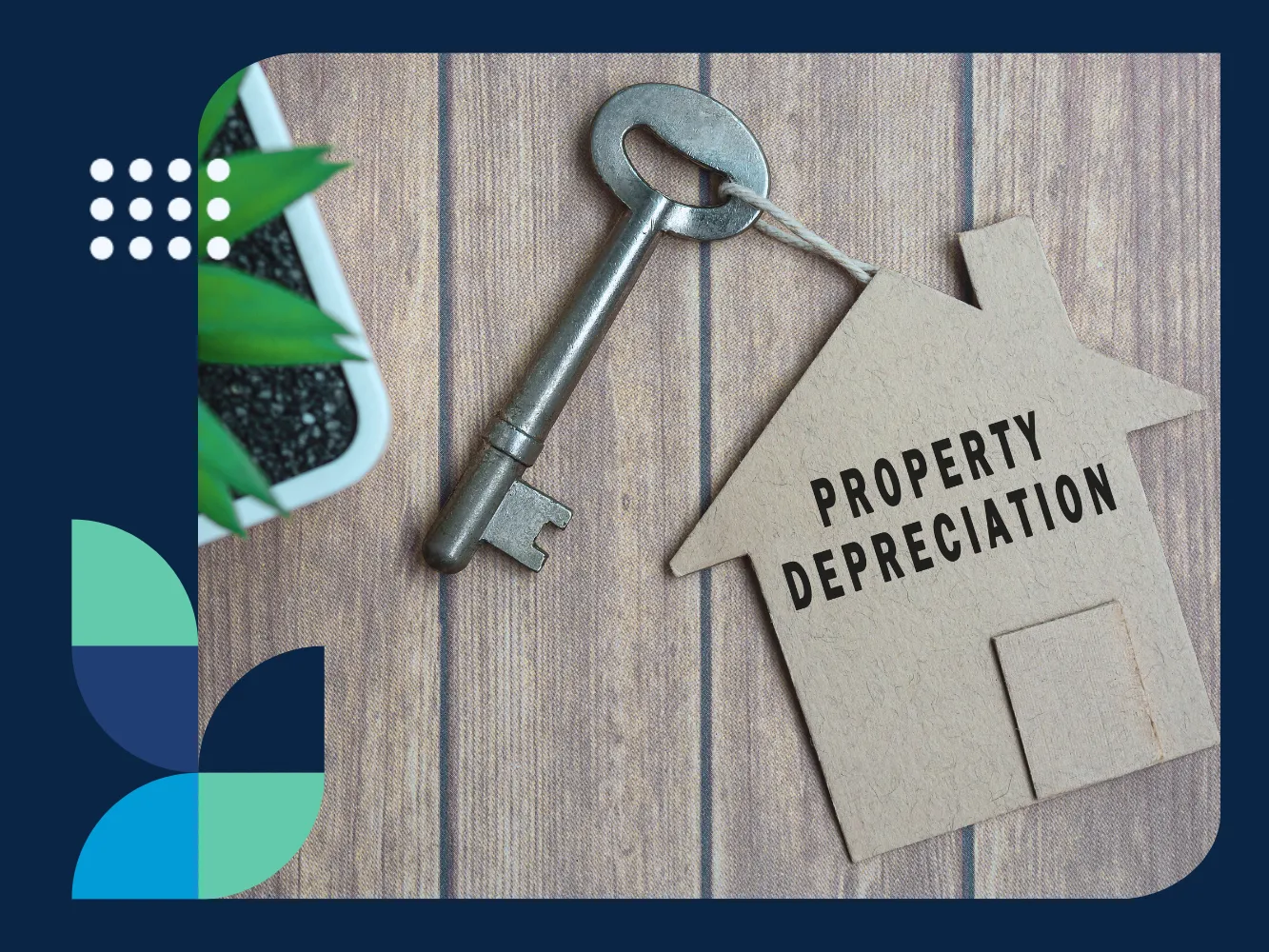
Depreciation is one of the most valuable tax benefits available to rental property owners, yet many landlords overlook the financial advantages of rental property appliance depreciation. This guide explains how appliance depreciation works, how to calculate it, and how to report it on your tax return.

Accurately reporting rental income is essential for compliance and financial success. Adding rental income to tax returns can seem daunting for many landlords, but understanding the steps involved can make the process much smoother.

FAQs about Tax Deductibles on Rental Property


Inc. 5000 List

Inc. Best Workplaces

5-Star Reviews
4.6+ Average in 2025

Premier Locations

Company


PURE Property Management holds real estate brokerage licenses in multiple states.
CA DRE #02124826 · View our State Licenses
Privacy Policy · Terms of Use · Accessibility Statement · Fair Housing Statement


